


Nail eponychium explained: what, where & why it matters
By Jess Watts | 26 March 2026 | Business & Education
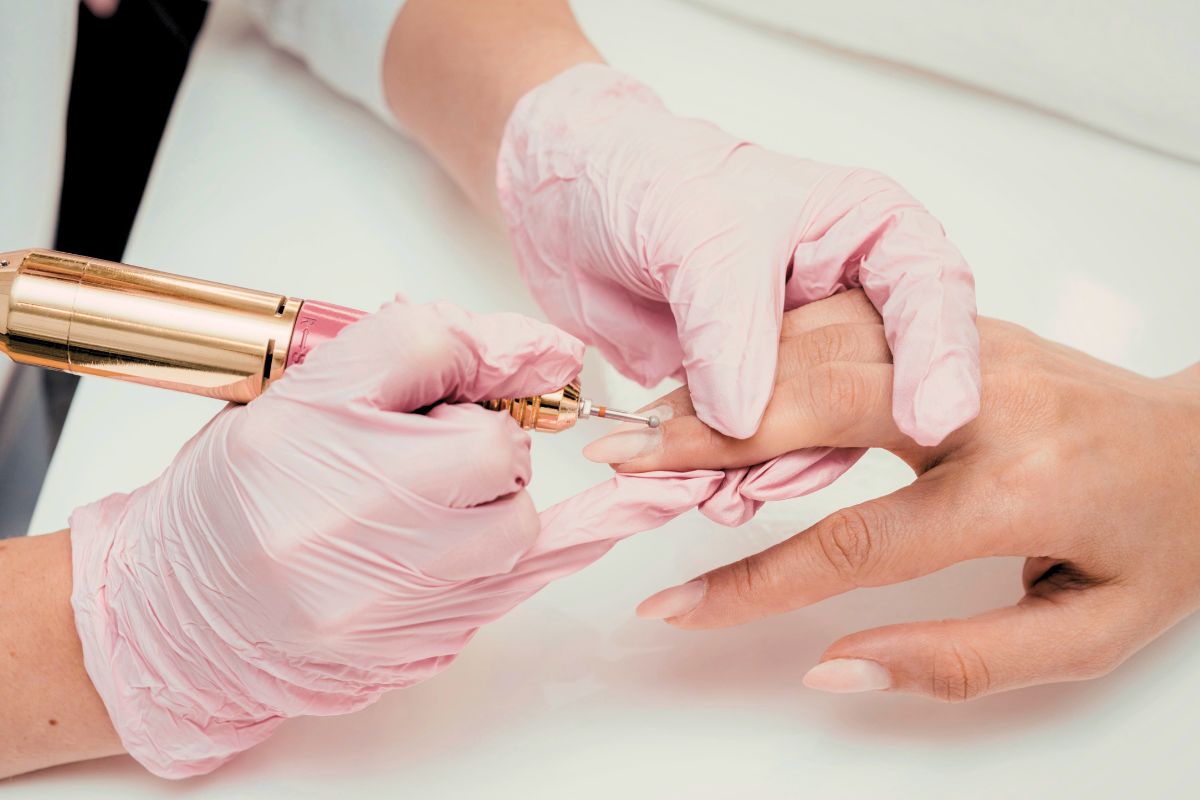
The cuticle, nail plate and sidewalls are among the most commonly discussed parts of the nail. But one structure that often gets overlooked – despite being incredibly important – is the eponychium.
It’s time to shine a scientific spotlight on this fascinating part of the nail, and find out exactly where it is and what it does…
What is the eponychium?
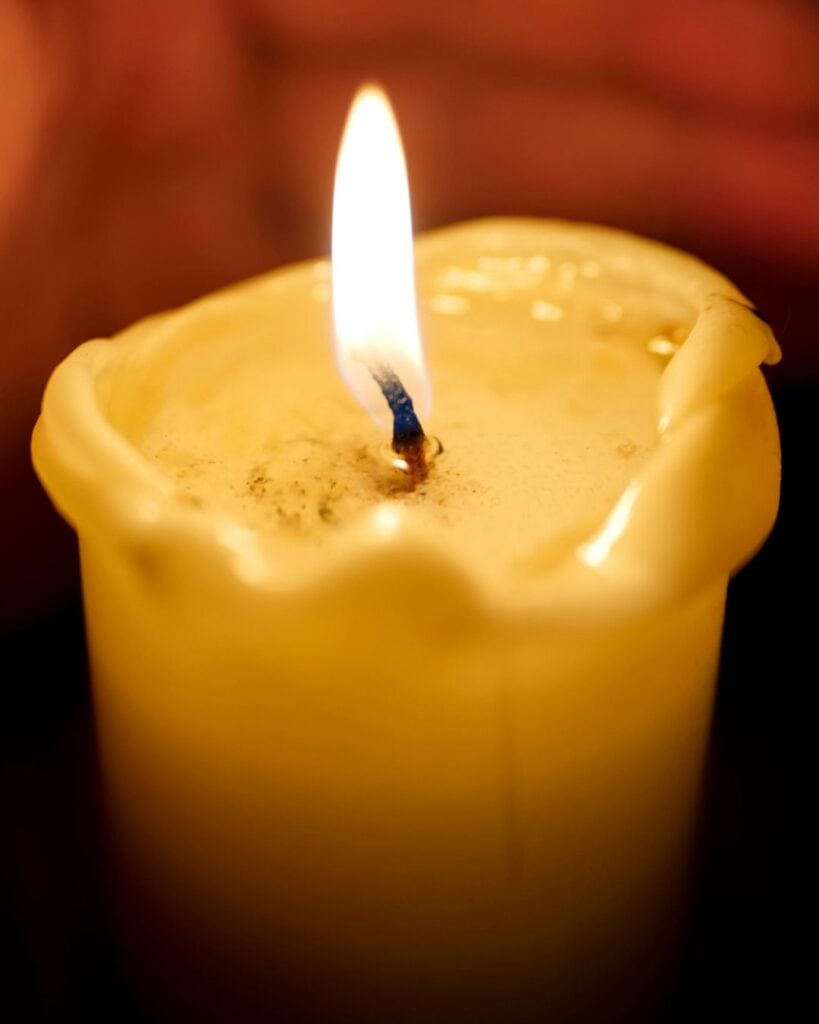
Picture this: it’s the early 1900s and you are writing a letter. You reach for your candle, let it burn until it produces liquid wax, then pour the sticky substance onto the envelope and press your family crest into it, sealing the letter shut.
In this metaphor, the candle is the eponychium; the wax is the cuticle. The eponychium is the source, working hard behind-the-scenes to produce the cuticle: a protective seal, guarding everything beneath it.
Tracy Anne Shelverton, hand and nail anatomy specialist & author of The Nail Unit – Essential Anatomy & Physiology for the Beauty Industry, describes the eponychium as ‘a thin layer of specialised skin cells hidden underneath the proximal nail fold’.
Found at the base of the nail, the eponychium sits on the ventral side (underneath) of the proximal nail fold. Due to their similar positioning, the eponychium and cuticle are often confused. However, as the metaphor above illustrates, the two are quite different in function.
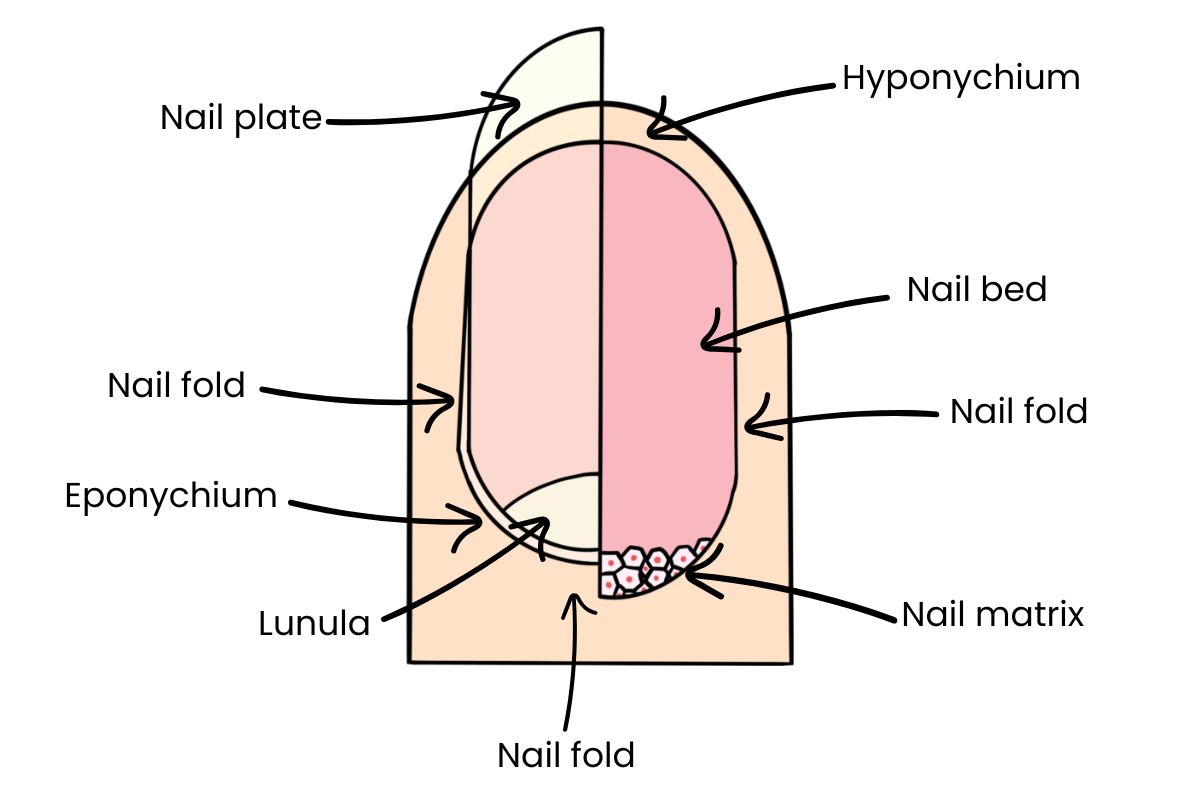
The cuticle forms one of the nail’s ‘guardian seals’, protecting the nail bed from external elements, while the eponychium is the living structure that produces it.
Nail education platform, NailKnowledge, explains the relationship between the two structures: “The cuticle is composed of non-living skin cells that are shed from the living eponychium and are bonded together with a sticky substance. The eponychium is living tissue, whereas the cuticle that it produces comprises the non-living skin cells that become one of the four guardian seals, and it lies between the nail plate and the proximal nail fold.”

Are you enjoying this content?
Join our community to receive more like this
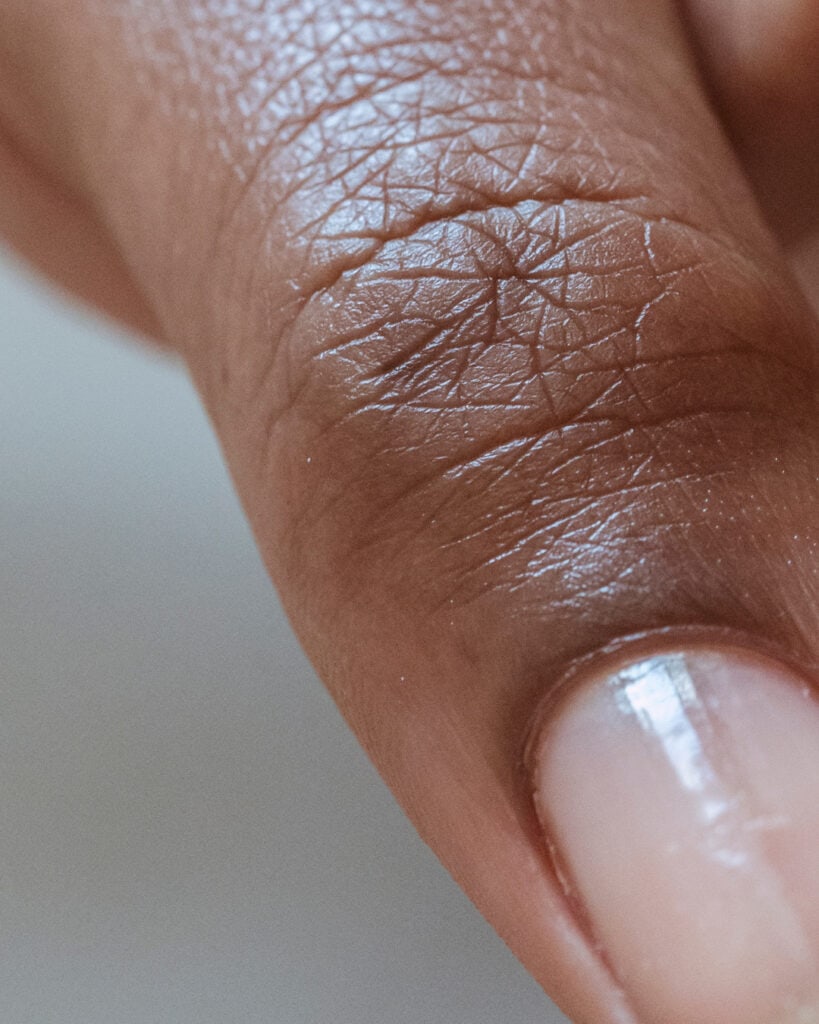
While producing the cuticle is its primary role, the eponychium also serves two further important functions: helping to regulate moisture levels of the nail bed and supporting nail growth.
Maintenance tips
Many nail techs push back and trim the cuticle to increase nail surface area and increase manicure longevity – and this is common practice. However, the eponychium itself must never be cut or torn. NailKnowledge warns that doing so ‘expose[s] the dermis beneath the keratinised skin frame and can lead to infections within the nail unit’.
Antoine Micheau MD, founder of anatomy education website, IMAIOS, underlines the significance of keeping the eponychium intact: “This structure is clinically significant, as disruption or removal of the eponychium can predispose to paronychia [nail inflammation] and other nail fold infections.”

Nail science expert, Doug Schoon, notes in his book, Nail Structure & Product Chemistry, Second Edition: “Each time you cut the eponychium (part of the guardian seal), it will cause the living tissue to grow back thicker and harder.”
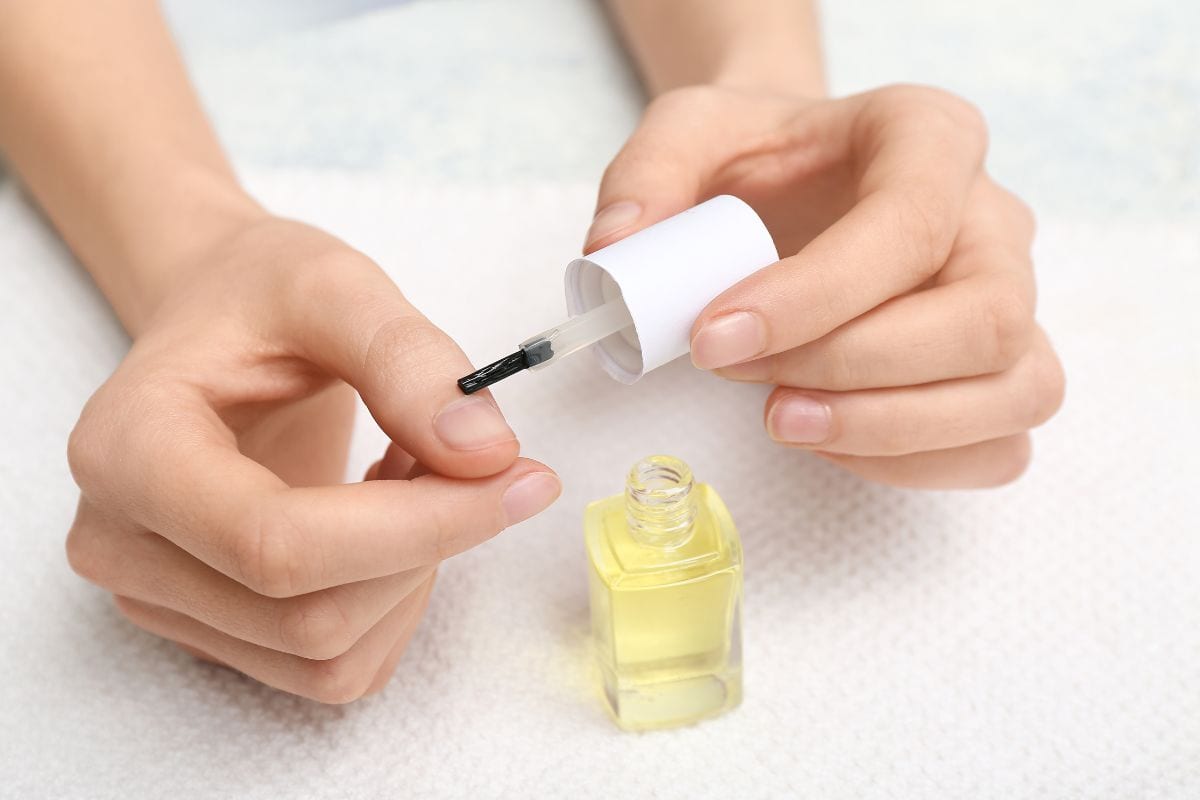
He advises: “Instead of cutting, keep the eponychium softened with high-quality oil or lotion. This will restore damaged skin to health and provide maximum protection.”
Alongside hydration, keep the eponychium healthy by avoiding harsh chemicals, excessive buffing and rough handling of the nail area. When it comes to services such as nail enhancements, a qualified nail professional should always be sought out. Improper application or removal can cause significant damage to the eponychium, with consequences that extend well beyond the nail surface.