


Nail sidewalls: what are they & why do they matter?
By Jess Watts | 05 March 2026 | Business & Education
Overlooked and often underestimated, sidewalls are one secret to a flawless nail enhancement. Here’s how to treat them right…
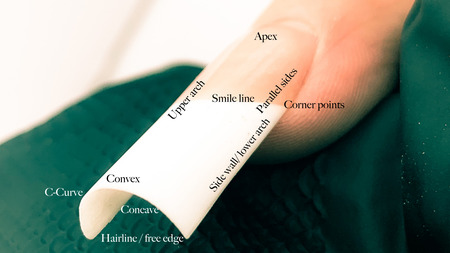
What are sidewalls and where are they?
The sidewall, as defined by nail education platform, NailKnowledge, is ‘the skin on either side of the nail plate’, encompassing the ‘part of the nail that extends out from the physical sidewall’.
Why are sidewalls important?
Also known as lateral nail folds, sidewalls play a vital protective role: acting as a barrier against bacteria, fungi and viruses. Supporting these areas isn’t just good practice; it’s essential for the health of the nail and surrounding skin.

In her book, The Complete Nail Technician: Fourth Edition, Marian Newman BEM says: “The skin of the finger folds down along the side of the nail and provides the nail plate with protection and a groove to guide the growth of the nail. A seal is formed here to prevent the invasion of unwanted substances or microorganisms.”

Sidewalls also serve an aesthetic purpose. Katie Clark (née Barnes), award-winning nail pro & founder of Katie Barnes Tool Range & Education, shares: “[Parallel sidewalls] mirror each other and help to give nail enhancements a slim and slender appearance.”
“Sidewalls can be one of the most overlooked areas of a nail enhancement, but they can affect the entire finish. This is because the eye is instantly drawn to the widest area of something.”
Despite their importance, sidewalls are frequently subject to overfiling – often in pursuit of popular nail shapes such as coffin and ballerina. This destroys the integrity of the nail, causing instability and weakening of the nail plate over time.

Another issue caused by mistreatment of the sidewalls is hangnails. Scratch Stars Ultimate Natural Nail Specialist, Lucy Price, says: “Hangnails can be caused by overworking of the cuticle area and sidewalls when prepping nails, which can cause the nail plate to splinter.”

Esteemed nail scientist, speaker & author, Doug Schoon, explains in a NailKnowledge blog that overworking the sidewalls also increases the risk of allergic reactions. “When this soft tissue is abraded by the file, it can cause the weakening of the skin’s defences,” he reveals.
“Exposure of this abraded tissue to nail coating products is of great concern, since prolonged or repeated exposure to this damaged area increases the risk of adverse skin reactions.”
How can sidewalls be protected?
Protecting the sidewalls starts with one simple rule: don’t overfile them.

Are you enjoying this content?
Join our community to receive more like this
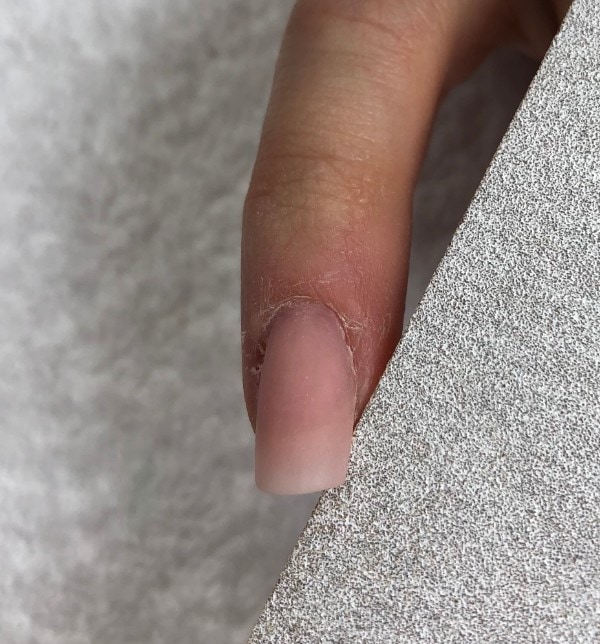
“The sidewalls should always be straight, whatever the nail shape, and there must be no fanning or bulking,” recommends Katie Clark. “Whatever you do on one side of the nail, you must repeat on the other to achieve uniformity.
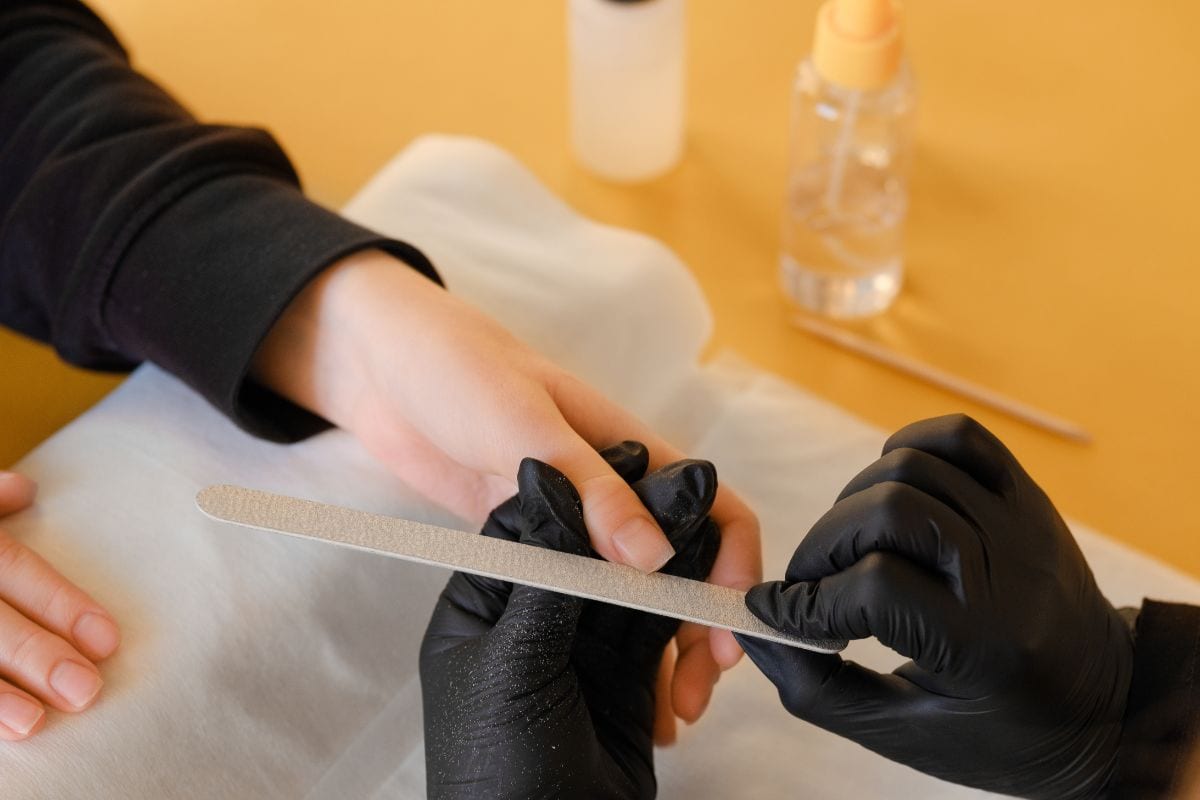
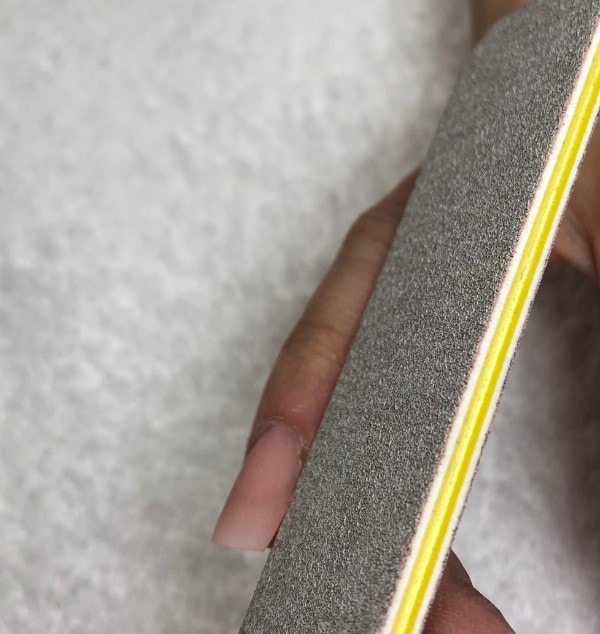
“Following a consistent filing routine is essential,” Katie continues. “The way in which you hold your file is also key. It must be flat against the sides of the nail and roll over it. Don’t be tempted to run your file down the whole side, as this will compromise the supporting structure.”
Overall, as Doug Schoon notes: when it comes to filing, ‘less is best’.