


What are nails made of & why do we have them?
By Jess Watts | 19 March 2026 | Business & Education
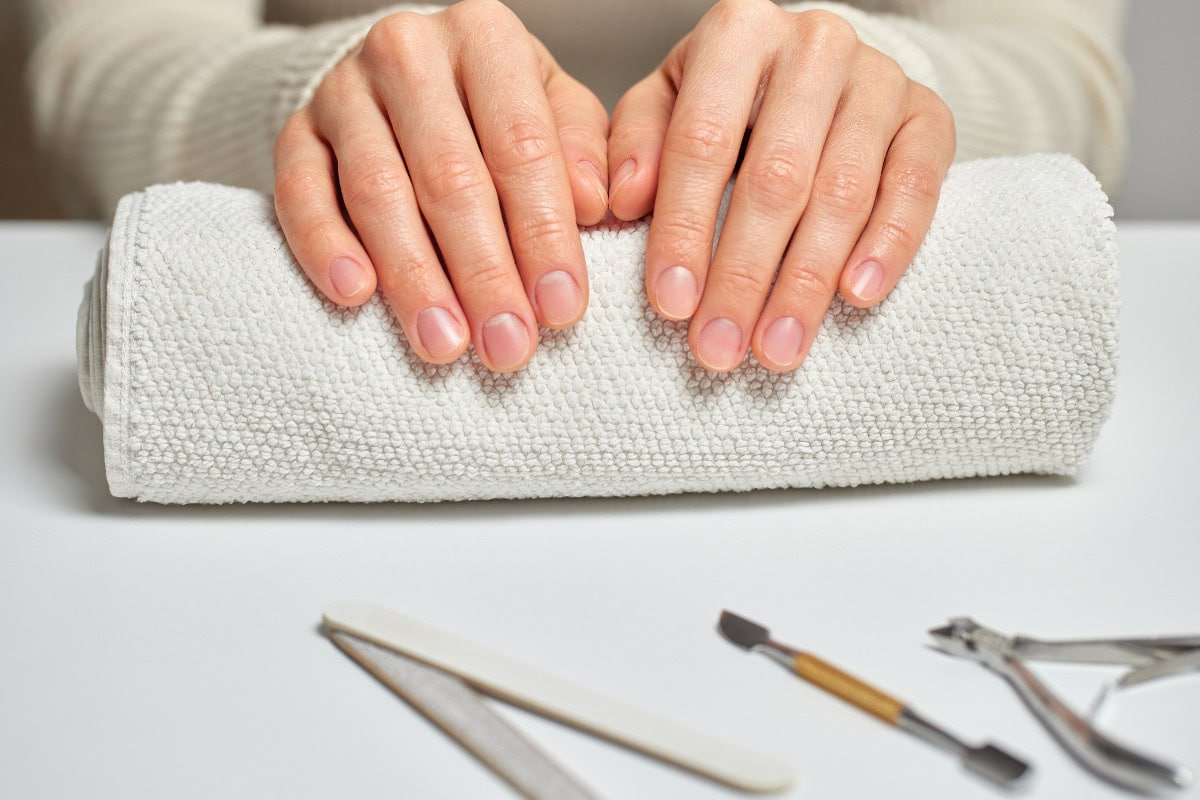
Before you can truly care for nails, you need to understand them. Let’s take a look at the anatomy, composition and purpose of the nail unit…
What are nails?
When someone talks about fingernails, they are often referring to the entire area that sits at the end of the fingers, known scientifically as the nail unit. This is described by online education platform, NailKnowledge, as ‘the complicated structure at the end of fingers and toes that grows fingernails and toenails’.
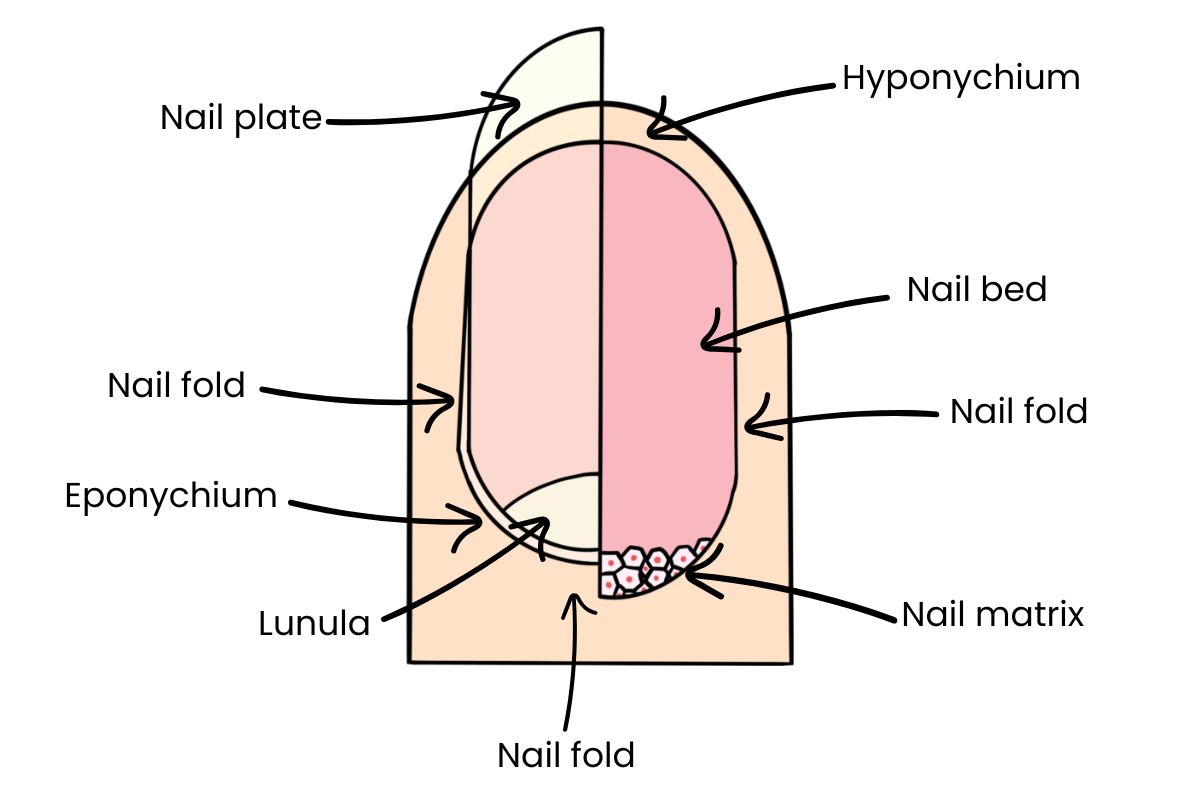
The nail unit consists of the nail plate, nail bed, hyponychium, nail matrix, lunula, eponychium and nail folds.
What are nails made of?
While the nail unit consists of several anatomical structures, the nail plate is composed of a hardened protein called keratin.
Expert skin nutritionist, author & founder of the Skin Nutrition Institute, Star Khechara, says: “Keratin is a fibrous structural protein rich in sulphur-containing amino acids, particularly cysteine, which form strong disulphide bonds.”

Are you enjoying this content?
Join our community to receive more like this
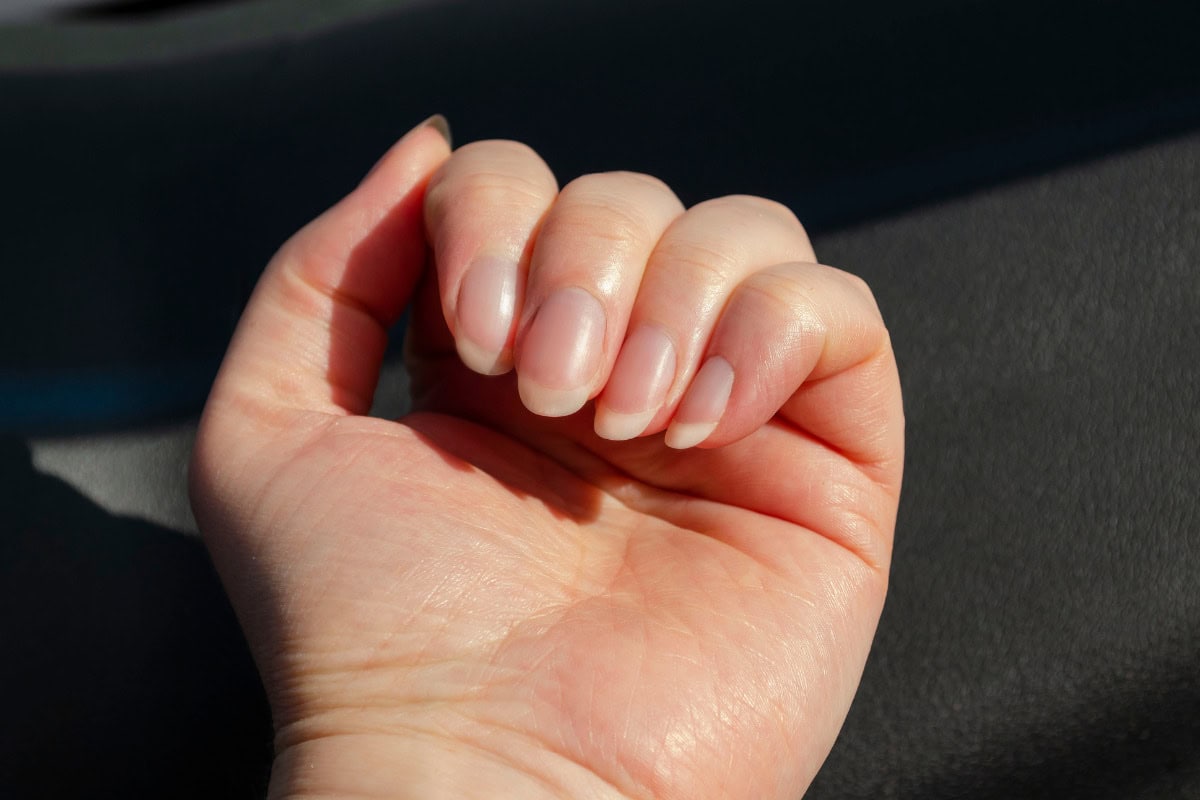
She continues to note that the formation of keratinised cells in the nails starts at the matrix. “The nail plate forms in the matrix beneath the cuticle, where new keratinocytes cells are continuously generated. As they move outward, these cells flatten and harden into dense, protective layers.”
This process relies on a ‘steady supply of amino acids, minerals and vitamins delivered via the bloodstream’, and Star comments that ‘adequate nutrition ensures strong, flexible nails, while insufficient keratin production leads to brittleness and ridging’.
Why do we have nails?
Anthology professor at the University of Wisconsin-Madison, John Hawks, says that fingernails evolved in all primates – including humans – to support the fingertips. He acknowledges that the reason for our particularly wide nail beds ‘dates back to the earliest days of human tool use’. “Striking stones together to make tools required a very powerful grip,” Professor Hawks states.
As modern humans, nails help us in a variety of ways, including:
- Grip: the main reason fingernails have evolved in humans is to help us with simple tasks such as picking things up. Without the hardened keratin layer, our fingertips would consist of soft skin, making it harder to grip certain items.
- Protection: without nails, the soft skin of the fingertips and toes – as well as the delicate soft tissues, nerves, muscles and blood vessels underneath – would be left unprotected. Nails provide a layer of defence that acts like a shield.
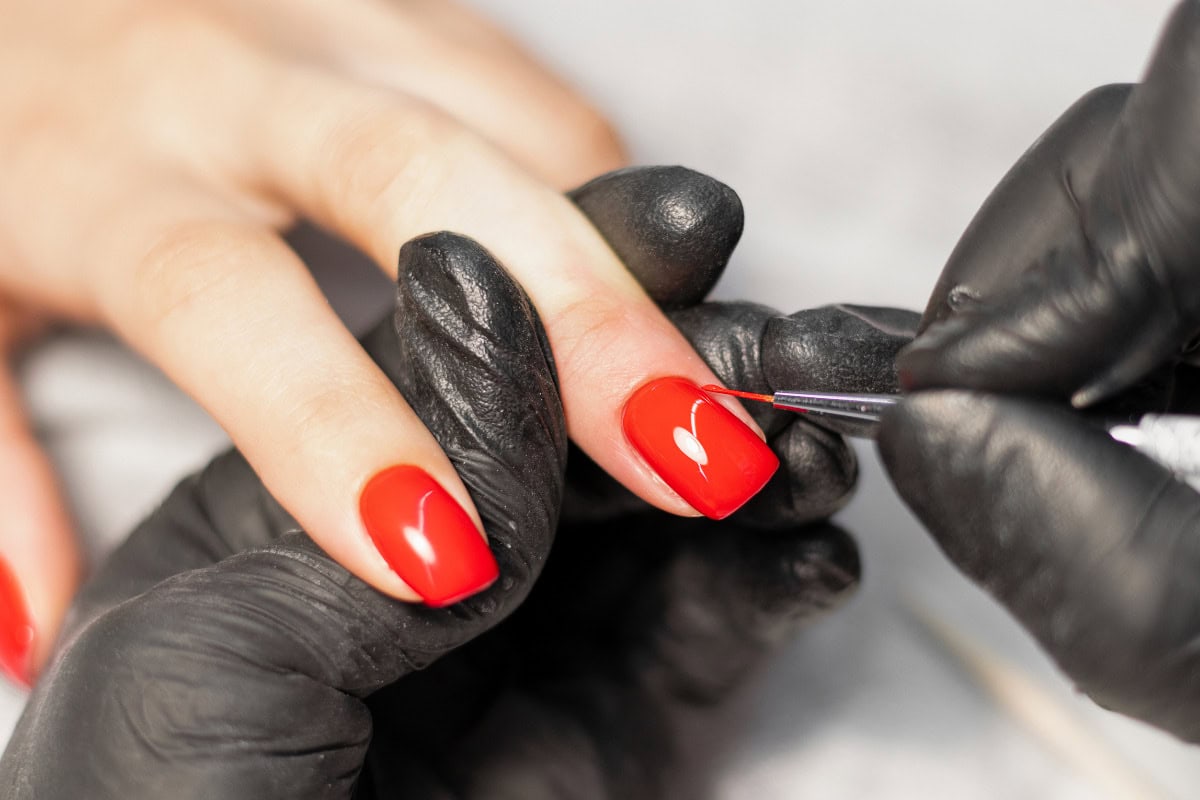
- Expression: though not necessarily a scientific reason behind the benefits of nails, being able to decorate them with colour, art and enhance them aids in self-expression. Plus, this has allowed for the evolution of an entire creative industry – which we would argue is one of the best benefits!