


Why do people bite their nails?
By Jess Watts | 12 March 2026 | Health & Wellbeing
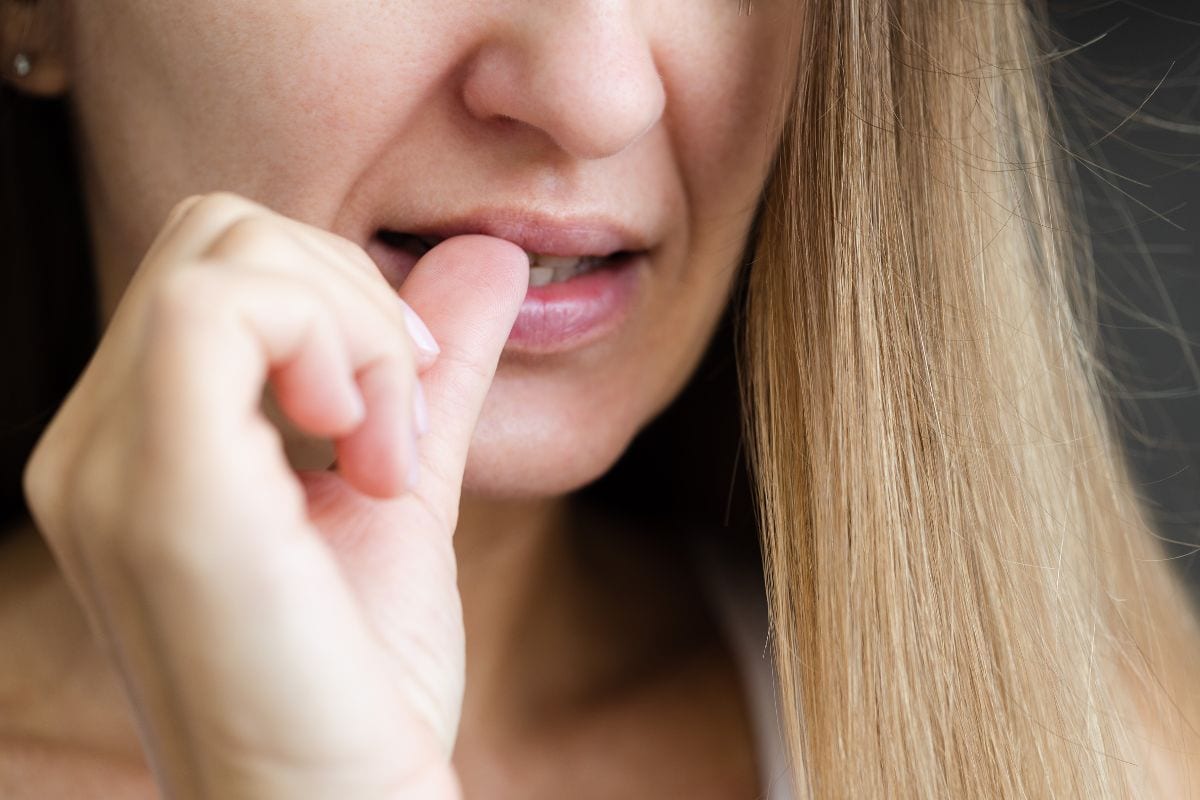
Nail biting, also known as onychophagia, is a common habit. But why do people do it, and what makes it so hard to stop?
Nail biting is a chronic condition that health professionals describe as ‘repetitive and compulsive in nature’. It is estimated that 20-30% of the general population can be classified as ‘nail biters’. While nail biting is most prevalent in children, the habit can transcend childhood and continue to plague people well into adulthood.
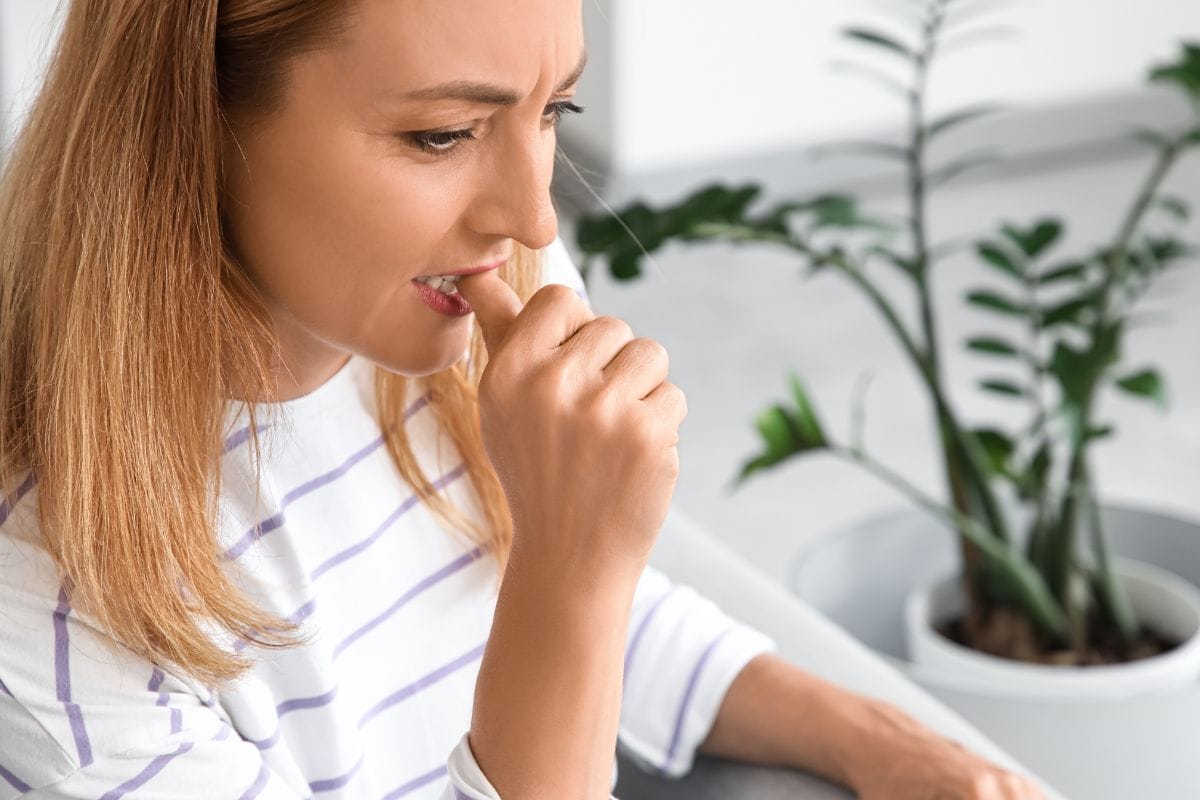
Though friends and family may try to dissuade nail biters, and they themselves might endeavour to stop the habit, it is not easily quelled.
Why do people bite their nails?
Some reasons include:
- Boredom. Nail biting can act as a stimulatory coping mechanism to fight inactivity. In other words, biting your nails can give you something to do when bored.
- Stress and anxiety. A method of self-soothing, biting one’s nails is a way of redirecting anxious energy.
- Habit/subconscious. Sometimes, nail biters find that the habit follows them from childhood, becoming an automatic characteristic that is hard to kick.
- Perfectionism. Some evidence suggests that perfectionist tendencies can lead to nail biting. If a nail accidentally breaks, or a piece of dead skin naturally lifts, some people will try to ‘fix’ this by biting it off.
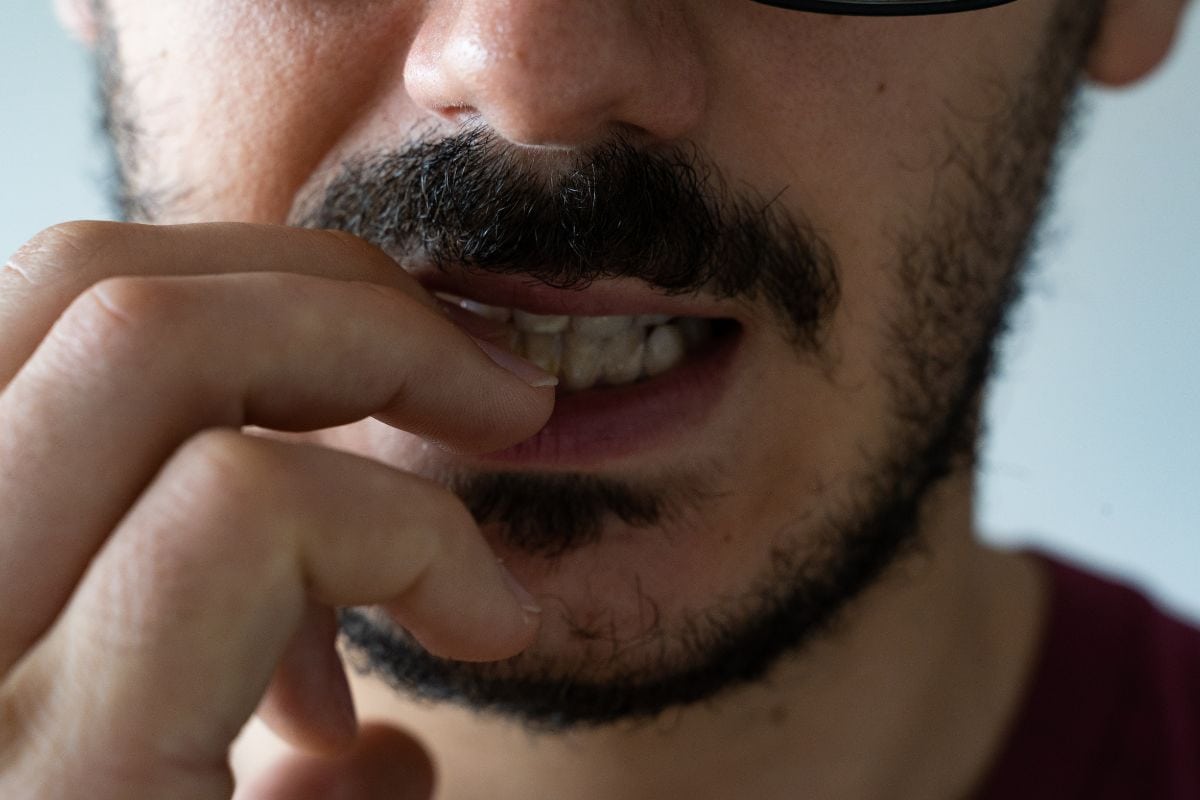
There are, of course, always extremes. When nail biting crosses the line to an unhealthy obsession and/or causes extreme physical damage, healthcare practitioners and psychological experts are best placed to diagnose and treat this.

Are you enjoying this content?
Join our community to receive more like this
Why is nail biting harmful?

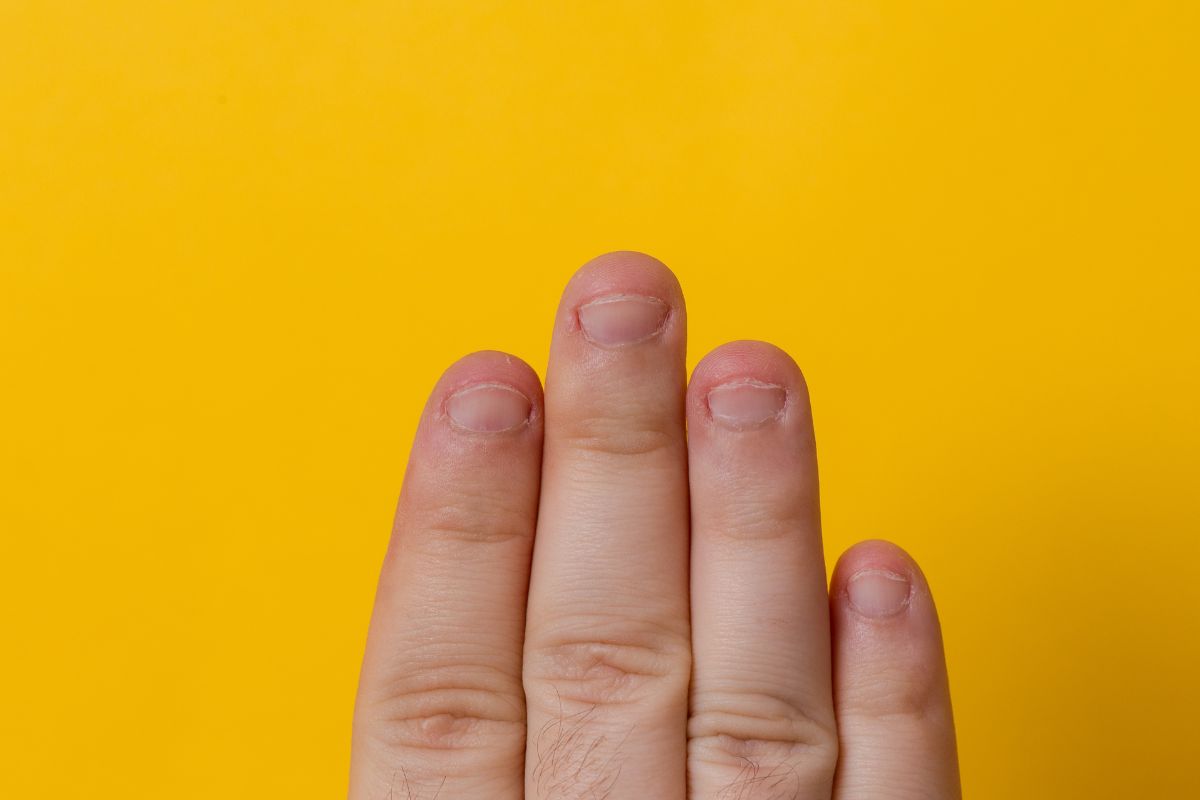
“Those who bite their nails to or below the hyponychium heighten the risk of infection, as they break the protective seals of the nails,” explains Lucy Price, Scratch Stars Ultimate Natural Nail Specialist & OPI educator.
“It is common for these people to display soreness, redness, overgrown cuticles and excessively short nail beds. Skin picking and biting can cause calluses, deformation of nail plates and damage to nail beds.”
Aside from the obvious harm to your nails – including weakened nail plates, ingrown nails and open wounds allowing bacteria to enter, there are other negative impacts of nail biting:
- When you bite your nails, all of the germs that are under your nails and on your fingers are transferred to your mouth, potentially causing illness and infections.
- Nail biting can cause dental issues including enamel damage, gum disease and chipped teeth.
- Swallowing bitten nails can eventually lead to stomach and/or intestinal issues, due to irritation.
- While nail biting is often linked to anxiety and stress, the appearance of bitten nails can heighten this worry, causing feelings of embarrassment, shame and/or negative feelings towards oneself.
How to stop biting your nails
Though not an easy task, there are plenty of methods you can try to stop nail biting, or to help someone else kick the habit.
These include: using bitter-tasting nail polish; getting protective nail enhancements by a professional; nail reconstruction; keeping nails short and trimmed whilst maintaining a regular manicure routine, and redirecting the compulsive behaviours to other things, such as stress balls and/or fidget toys.
Click here for more information about nail biting from experts.